
Orthopedic Rehabilitation
Personalized support for joint pain, stiffness, and movement challenges to help make everyday activities easier.
Ask about treatment →
Helping you move pain-free with more confidence through modern, evidence-based techniques and thoughtful, personalized physical therapy.

Whether you're recovering from an injury or working to move with more confidence, your plan should fit your life—not the other way around.
Personalized support for joint pain, stiffness, and movement challenges to help make everyday activities easier.
Ask about treatment →
Work toward a safe return to training, recreation, and the activities you love with a goal-focused recovery plan.
Get back in motion →
Progressive rehabilitation designed to support mobility, strength, and function after surgery.
Plan your next step →
Build practical movement strategies and work toward improved mobility and day-to-day function.
Explore your options →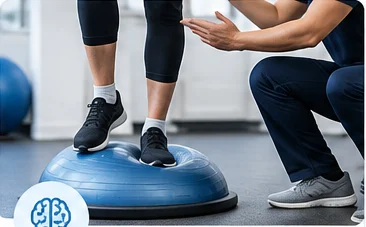
Work on steadiness, coordination, and functional movement for greater confidence in daily activities.
Talk with our team →
Hands-on techniques may be incorporated into an individualized treatment plan when clinically appropriate.
Learn more →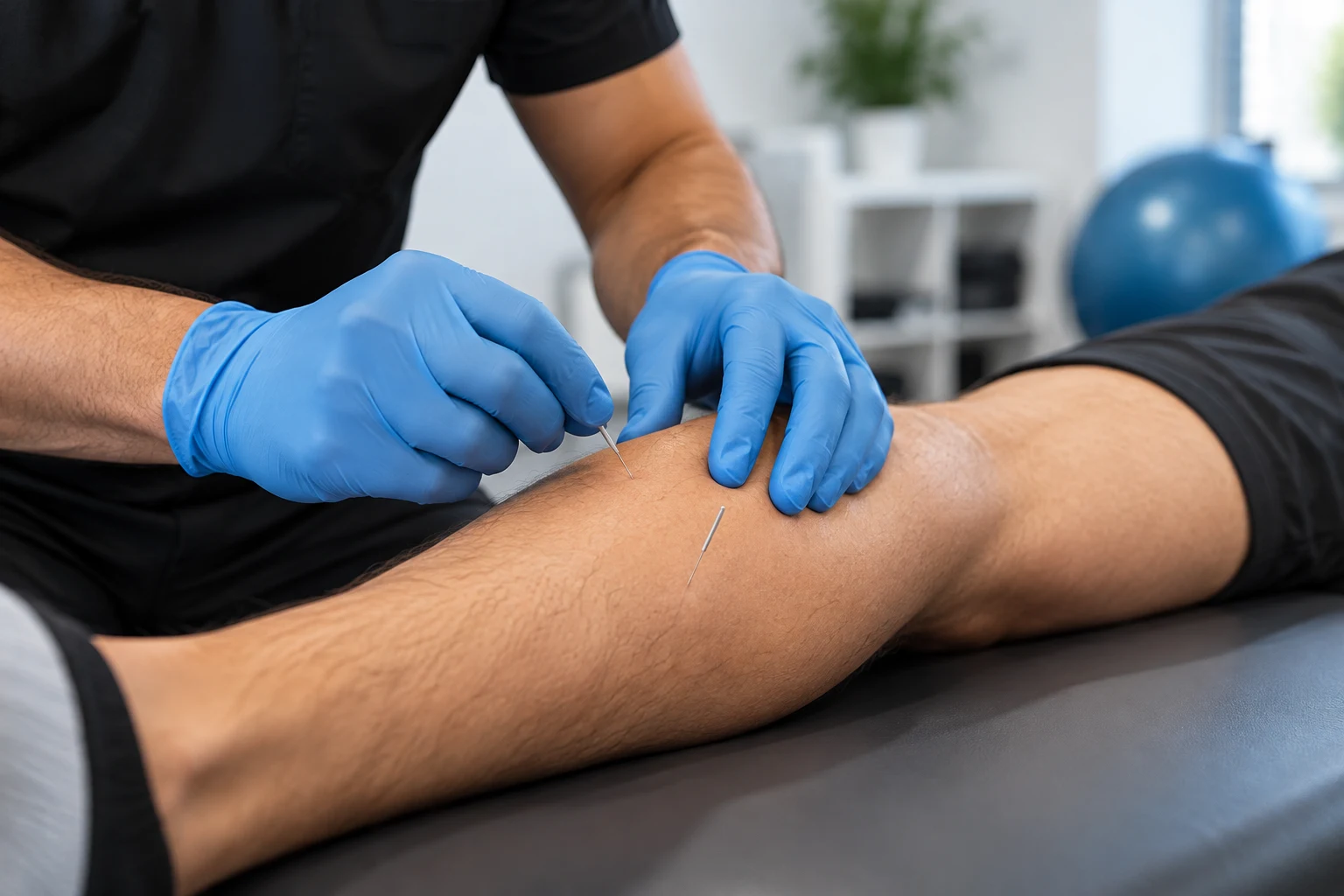
Ask our team whether dry needling may be appropriate for your needs and treatment goals.
Ask about eligibility →
Rehabilitation support for work-related injuries, coordinated with the applicable care and authorization process.
Discuss your situation →Your therapist will recommend treatment options based on your evaluation, preferences, and progress. Not every approach is appropriate for every person.
Specialized tools may be used by trained clinicians as part of a plan to address soft-tissue mobility and movement goals.
What it is: A hands-on technique using specialized instruments to work with soft tissue.
Who may benefit: May suit people with selected soft-tissue mobility restrictions.
How it may help: May be included to support comfortable movement and mobility.
A form of instrument-assisted soft-tissue treatment; suitability depends on your evaluation and the clinician’s training.
What it is: An instrument-assisted soft-tissue mobilization approach.
Who may benefit: May be considered for people with selected soft-tissue and movement concerns.
How it may help: May support mobility as part of a broader rehabilitation plan.
Individualized therapy focused on functional movement, strength, mobility, and confidence with everyday activities as people age.
What it is: Physical therapy tailored to the changing needs of older adults.
Who may benefit: May benefit older adults working on strength, walking, transfers, or confidence.
How it may help: Can target daily function, mobility, and balance goals.
A treatment option that may be considered when clinically appropriate and provided by a qualified clinician.
What it is: A technique using fine needles to target selected neuromuscular tissues.
Who may benefit: May be considered for some musculoskeletal conditions after assessment.
How it may help: May complement a plan for movement, comfort, and function when appropriate.
A movement-based assessment and treatment approach that may be used for certain spine and extremity conditions.
What it is: A systematic assessment and movement-based treatment approach.
Who may benefit: May help some people with spine or extremity pain and movement limitations.
How it may help: Can help guide self-management and appropriate movement strategies.
A manual therapy approach that may combine specific mobilization with active movement when appropriate.
What it is: A manual therapy approach pairing specific mobilization with movement.
Who may benefit: May suit selected joint or movement restrictions following evaluation.
How it may help: May help improve comfortable movement and functional mobility.
Rehabilitation focused on hand, wrist, and upper-extremity function, based on the clinician’s scope and your needs.
What it is: Rehabilitation focused on hand, wrist, and upper-limb function.
Who may benefit: May benefit people recovering from injury, surgery, stiffness, or weakness.
How it may help: Can focus on range of motion, strength, dexterity, and everyday tasks.
Care aimed at improving function related to musculoskeletal pain, injury, surgery, or movement limitations.
What it is: Rehabilitation for musculoskeletal conditions affecting joints, muscles, and bones.
Who may benefit: May help people with orthopedic injuries, pain, or post-surgical needs.
How it may help: Can work toward strength, mobility, and daily function.
Progressive rehabilitation to help athletes and active people work toward a safe return to sport and activity.
What it is: Goal-based rehabilitation for sports and activity-related injuries.
Who may benefit: May benefit athletes and active people returning to exercise or sport.
How it may help: Can build capacity and guide a progressive return to activity.
A personalized plan that may combine movement, exercise, education, and other clinically appropriate interventions.
What it is: A personalized care plan based on movement and functional assessment.
Who may benefit: May help people with pain, injury, weakness, balance, or mobility challenges.
How it may help: Can support movement, independence, and daily activities.
A specialized, amplitude-focused movement program for people with Parkinson’s, subject to clinician training and program availability.
What it is: An amplitude-focused movement program designed for people with Parkinson’s.
Who may benefit: May be appropriate for some people with Parkinson’s after clinical screening.
How it may help: Aims to practice larger, purposeful movements for everyday activities.
Assessment and treatment options for certain dizziness and vestibular conditions, when clinically appropriate.
What it is: Assessment and care for certain vestibular and dizziness conditions.
Who may benefit: May benefit people with appropriate causes of vertigo or balance symptoms.
How it may help: Treatment may target gaze stability, balance, or positional symptoms as indicated.
Therapy focused on movement, function, and daily activities for people with neurological conditions.
What it is: Therapy addressing movement and function affected by neurological conditions.
Who may benefit: May benefit people whose mobility or daily tasks are affected by a neurological diagnosis.
How it may help: Can work on coordination, strength, balance, and functional independence.
Exercises and strategies tailored to balance, coordination, stability, and fall-risk goals.
What it is: Individualized exercises and strategies for balance and stability.
Who may benefit: May help people with unsteadiness, reduced confidence, or fall-risk concerns.
How it may help: Can target coordination, safe mobility, and confidence in daily activities.
Your care is individualized. Treatment choices depend on your assessment, goals, medical history, and therapist’s clinical judgment. Contact us to discuss which options may be right for you. Please ask our team about availability and suitability for your needs.
Ask About Treatments →Explore common concerns that may benefit from physical therapy. Your evaluation helps determine whether therapy is appropriate and what care may look like.
Ankle pain, stiffness, or instability can affect walking, exercise, and daily activities.
Assessment may identify mobility, strength, balance, and movement goals.
Request an Appointment →Back pain can make sitting, lifting, sleeping, and everyday movement difficult.
A tailored plan may address mobility, strength, activity tolerance, and self-management.
Request an Appointment →Persistent pain can affect movement, sleep, confidence, and participation in daily life.
A paced, individualized approach may help build activity tolerance and functional confidence.
Request an Appointment →Elbow discomfort may interfere with gripping, lifting, work, or sports.
Care may focus on mobility, strength, load management, and practical activity goals.
Request an Appointment →Foot pain can affect standing, walking, exercise, and footwear tolerance.
Therapy may address foot and ankle mobility, strength, balance, and walking mechanics.
Request an Appointment →Weakness or reduced endurance can make everyday tasks feel more demanding.
Progressive exercises may help build strength, stamina, transfers, and functional mobility.
Request an Appointment →Hand or wrist symptoms may affect gripping, writing, typing, and household tasks.
An individualized plan may work on motion, strength, coordination, and task-specific function.
Request an Appointment →Some headaches may involve neck movement or musculoskeletal factors; headaches have many possible causes.
When appropriate, therapy may address neck mobility, posture, and movement strategies alongside medical guidance.
Request an Appointment →Knee pain may limit walking, stairs, squatting, sports, or getting up from a chair.
Rehabilitation may focus on strength, mobility, balance, and gradual return to activity.
Request an Appointment →Neck pain or stiffness can affect turning your head, working, driving, and sleep.
Care may include appropriate mobility exercises, strengthening, and activity modifications.
Request an Appointment →After a motor vehicle collision, pain or movement limitations may affect normal routines.
Therapy may support gradual recovery of mobility and function when medically appropriate.
Request an Appointment →Preparation before surgery and rehabilitation afterward may help address movement and functional goals.
Your plan may progress mobility, strength, and daily activities in line with your surgeon’s guidance.
Request an Appointment →Shoulder symptoms may make reaching, dressing, lifting, or sleeping uncomfortable.
Therapy may address shoulder mobility, strength, movement control, and task-specific goals.
Request an Appointment →Jaw joint or surrounding muscle symptoms may affect chewing, opening the mouth, or facial comfort.
When appropriate, care may address relevant jaw and neck movement and functional strategies.
Request an Appointment →Vertigo or dizziness can affect balance and confidence with movement and may have different causes.
After assessment, vestibular therapy may be considered for suitable conditions; urgent or new severe symptoms need medical evaluation.
Request an Appointment →Find the next step, get answers to common questions, and learn how to request records or ask about a complimentary screen.
Tell our team how to reach you and your preferred time. We’ll follow up to discuss scheduling.
Request an Appointment →Learn what to expect at your first visit, what to bring, and how to check referral or insurance requirements.
View Common FAQs →Have a question about whether physical therapy may be a good next step? Contact our team to ask about a complimentary screen and current availability.
Ask About a Screen →Contact our team for instructions on requesting your records and completing any required authorization.
Request Records Instructions →For your privacy, please do not send medical records, diagnoses, or other sensitive health information through regular email or the appointment request form. Ask the clinic for a secure process.
Partner with Kinexa Physical Therapy to help your patients work toward better movement, function, and confidence. We welcome referrals and value clear communication with referring physicians and care teams.
For physician referrals, please call or email our team. We will explain the referral process and arrange a secure way to share patient records.
Kinexa Physical Therapy
1905 W 15th Street, #106, Plano, TX 75075
(214) 616-3781
For patient privacy, do not include protected health information or attach patient records to regular email. Please call us to arrange secure transmission.
Our team can explain the referral process and coordinate next steps.
Call to Refer a Patient →Email Us About a Referral →
Your goals, routine, and concerns deserve to be heard. We believe great care starts with understanding what matters to you and building a plan together.
We start by learning about your needs, concerns, and goals.
Your treatment plan is tailored to your situation and discussed with you.
Track progress and adapt your plan as you work toward your goals.
Your time with a physical therapist should be focused on your needs, questions, and goals. Kinexa emphasizes individualized attention rather than a one-size-fits-all plan.
We take time to understand your symptoms, movement challenges, medical history, and the activities you want to return to. Your evaluation helps guide a plan based on your individual needs.
Your care may include hands-on treatment, therapeutic exercise, and practical education when appropriate. We discuss your plan with you and adjust it based on your response, goals, and clinical needs.
Request an Appointment →Appointment structure and treatment time may vary based on clinical needs and scheduling. Contact Kinexa to learn more about what to expect at your visit.
Your time, concerns, and goals matter. We aim to make every visit purposeful and make sure you understand the reasons behind your care plan.
We begin by learning how your symptoms affect daily life, what you hope to get back to, and what you have tried so far. Your evaluation helps guide a personalized plan rather than a one-size-fits-all routine.
When appropriate, your care may combine hands-on techniques, targeted exercises, movement education, and practical strategies for managing symptoms between visits. We explain what we find, discuss options with you, and review progress along the way.
Talk with Kinexa →We want you to understand what you are working on and why. Together, we can identify meaningful goals, check how you are responding, and adjust your plan as your needs change.
Every person’s situation is different, and outcomes cannot be guaranteed. Our commitment is to listen, communicate openly, and make clinical decisions with your individual needs and functional goals in mind—whether you are using insurance or paying out of pocket.
Request an Appointment →Meet Dr. Koshiya and learn why Kinexa Physical Therapy was founded.
Doctor of Physical Therapy
My decision to start Kinexa grew from a concern I saw in physical therapy: care can sometimes become driven by the insurance process rather than by a patient’s progress and individual needs.
I wanted to create a clinic where people receive thoughtful, individualized care whether they are using insurance or paying out of pocket. I believe treatment decisions should be guided by a careful evaluation, meaningful goals, honest communication, and the patient’s needs—not simply by how a visit is paid for.
At Kinexa, our aim is to work with you, explain the reasoning behind your plan, and adjust care based on your response and goals. Every person’s recovery is different, and no specific result can be guaranteed, but your care should always be centered on you.
Get to Know Kinexa →We believe effective physical therapy blends clinical reasoning, continued learning, and a partnership with the patient.
There is no single approach that fits everyone. We consider your history, examination findings, comfort, and goals when discussing treatment options. Care may include therapeutic exercise, mobility work, manual therapy, and education when appropriate for your condition.
You should feel comfortable asking questions and taking part in decisions about your care. We aim to explain our recommendations in clear language and help you build the skills and confidence to participate in daily activities that matter to you.
Meet Dr. Koshiya →Our mission at Kinexa Physical Therapy is to provide individualized, evidence-informed care that puts each patient’s goals, well-being, and progress first. We strive to make every treatment meaningful, communicate openly about the plan of care, and help people build the strength, mobility, and confidence to participate in the activities that matter to them—whether they use insurance or pay out of pocket.
Take the First Step →It's okay to have questions. Here's a starting point—our team can help with the details when you contact us.
Have another question? Contact us →Your first visit typically includes a conversation about your concerns and goals, an evaluation of relevant movement and function, and a discussion of a care plan. We'll explain the process and answer your questions.
Requirements can vary based on your situation, insurance plan, and applicable rules. Contact Kinexa and your insurance provider to confirm what applies to you.
Bring a photo ID, insurance information if applicable, a list of relevant medications, and any referral or imaging information you have. Comfortable clothing that allows movement is helpful.
Your therapist will discuss your needs and goals with you and recommend an approach based on your evaluation, progress, and clinical judgment.
Have a question or ready to explore physical therapy? Reach out to Kinexa and take the first step.
Tell us how to reach you and your preferred next step. Please do not include sensitive medical details in this form.